In the Beaufortain in Savoie, Caroline Joguet is a goat breeder and cheesemaker. With methods and taste, she is one of those who work to strengthen the singular diversity of her land a little more.
“How can anyone govern a country that has 258 varieties of cheese?” the General proclaimed in his day. Beyond this question, that can seem somewhat condescending at first, lies a relevant remark on the rich variety of French terroirs. Iconically, France and its overseas territories count numerous regions shaped by their savoir-faire. Unique creations unlike any other. The making and completion of a cheese is one of the most striking examples.
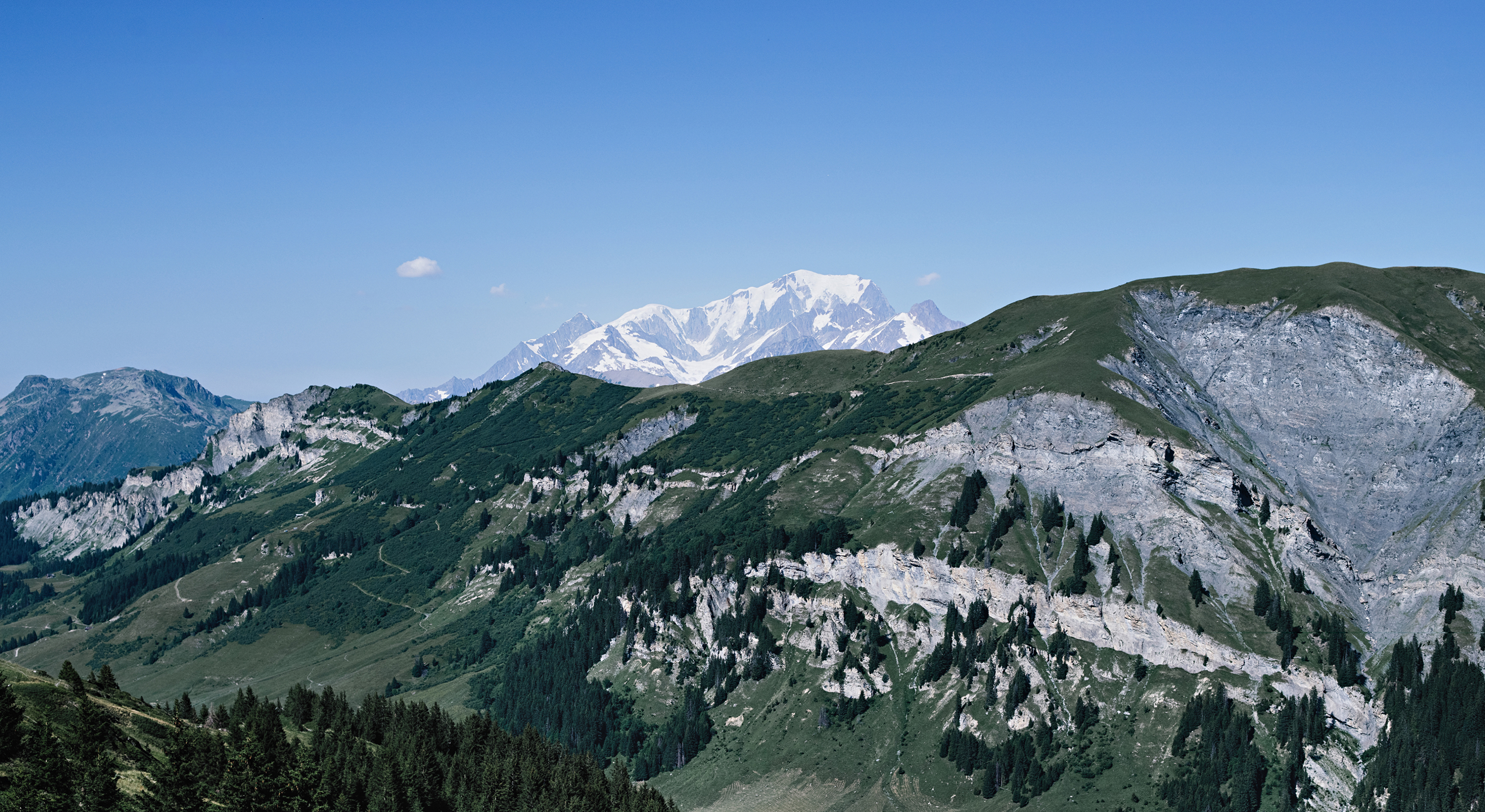
As if to rewind Ariane’s thread, once outside the Olympic city of Albertville, follow the Doron river by crossing its valley. The road winds on as the mountains close in on each other, it forms a strangely comforting shelter. The mountainous villages come one after another, Queige then Villard sur Doron are behind; ahead, there is a vast plain watched over by Mont-Blanc and the atypical Pierra Menta. In the background, as if protected: Beaufort, home of its eponymous cheese. Higher up, its ski resort, Arêches. Even more intimate, the Plans; the hamlet where the Joguet people, the family of Caroline, live. Cleverly built chalets and farms on a human scale. Push the door open and meet hundreds or so of small creatures, some busy working, some lounging in the hay. Caroline has always been passionate, she grew up with her parents who were also dairy cow farmers. Eager to follow their steps, she will indeed become a farmer, but a goat farmer.
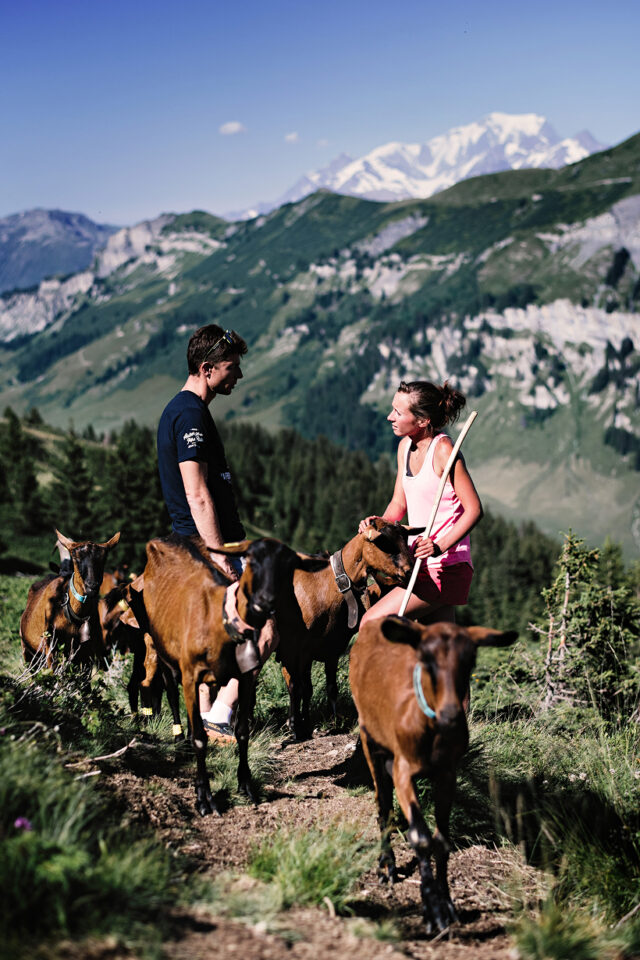
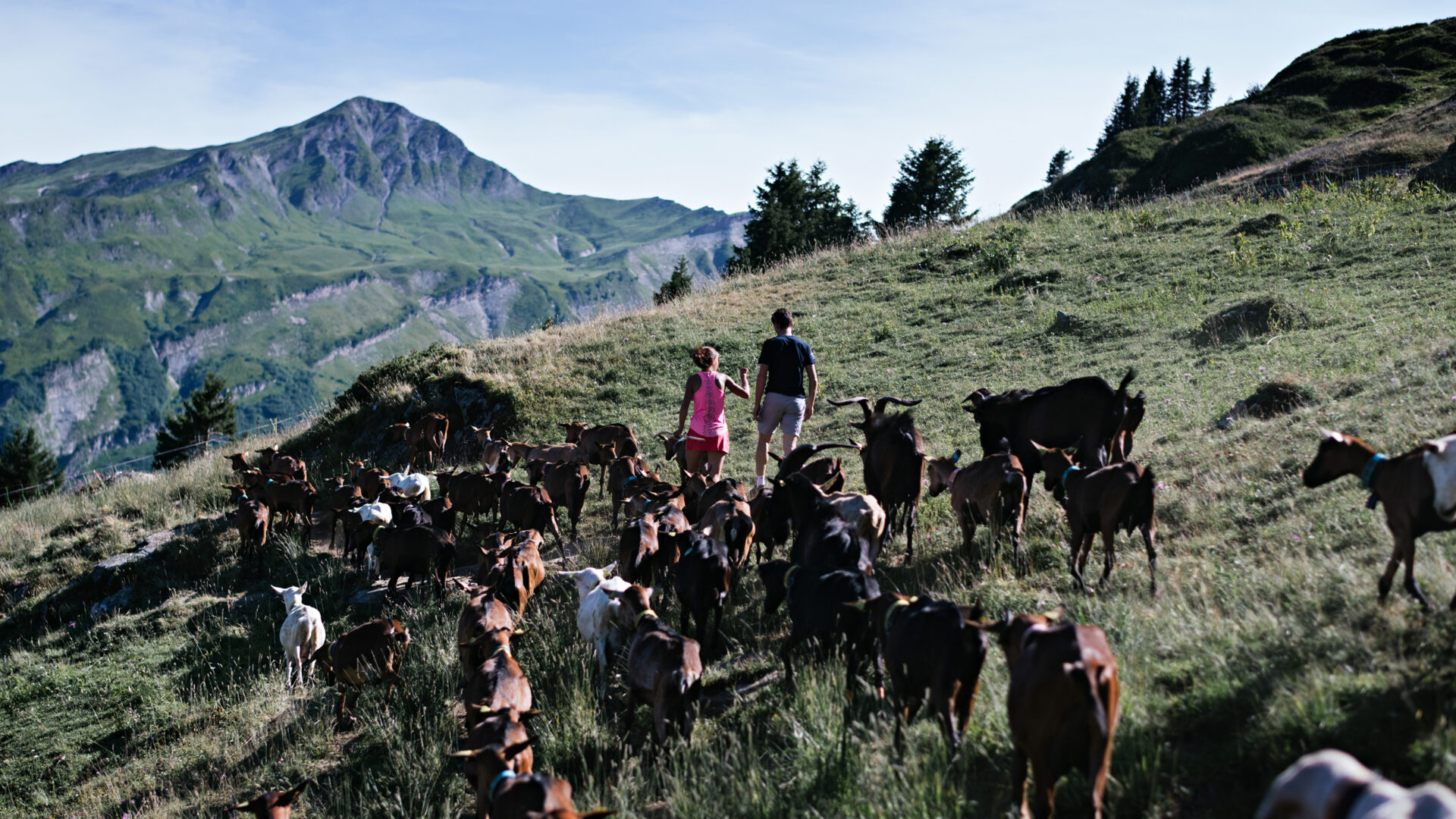
Non-stop, sportswear, all smiles, total efforts and commitment. Beside her beloved goats that she pampers like no other, Caroline’s life is dedicated to her passion. The flock is – by extension – her family. “It is a profession where you get up early. You have to keep up with the morning and night milkings. There is no real break, no time-out, but I don’t feel like I’m working. I am with them, I take care of them, I do the job I have always wanted to do.”
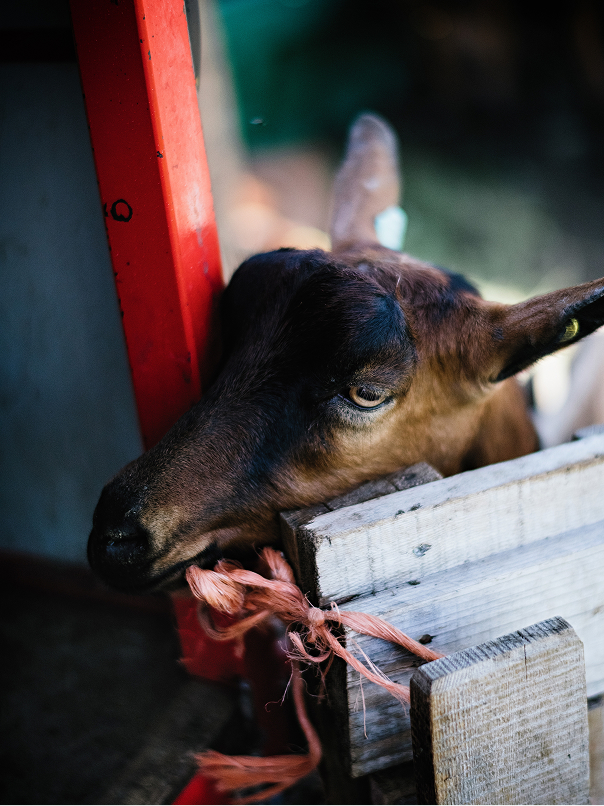
Rooted in her territory with them. Being away, leaving is unconceivable because a farm the size of Caroline’s relies on a precious bond, an unconscious connexion between the breeder and her flock that is wholesome and nurturing. Since the beginning of time until now, there has always been tenderness, and a resulting respect shared by a look, a gesture. “If you must be away, you have to be replaced. It is very much complicated because a flock identifies itself to the breeder. Thus if there is a replacement, the same daily routine must be done. If not, it will disturb the animals and cause stress. On one hand, the person replacing who wishes to do well, and on the other hand, the goats that feel the unfamiliarity of the situation, will be under stress. This tension – of a single day or multiple hours – will have consequences on the milk.”
By raising her goats and creating her own cheese, Caroline has understandably an eye for detail, and the right techniques – if not mastered correctly – can call into question the entire production and the quality of the milk. In addition, goat farmers are unlike the majority of cheesemakers, poorly but deliberately industrialised, their hands are the real treasure of their work.
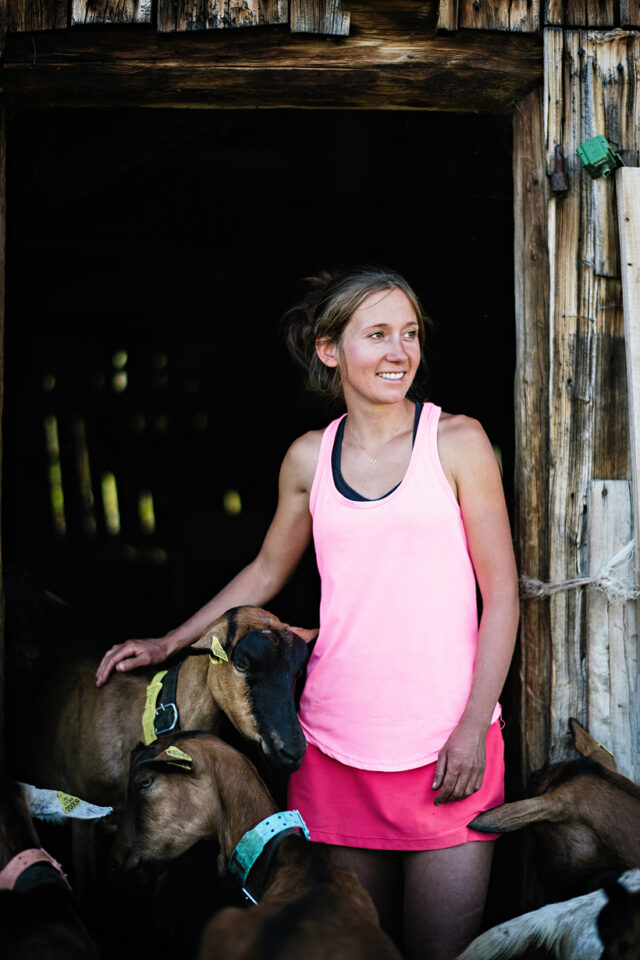
“Caroline is driven by the love of this profession inherited by her parents, the energy and freshness she brings is remarkable. Through her constant awe, and passion that never wavered, she enhances a savoir-faire.”
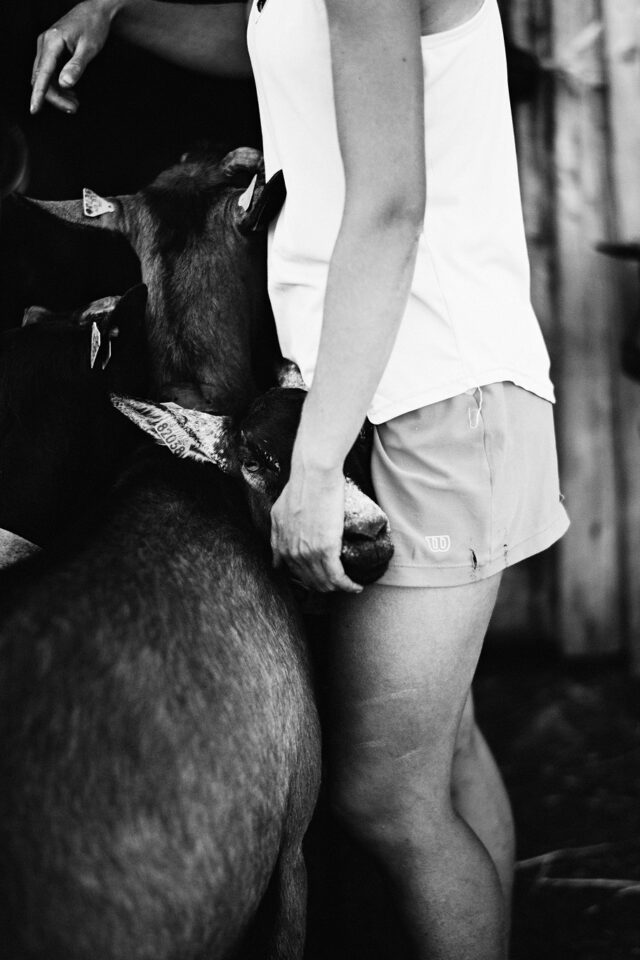

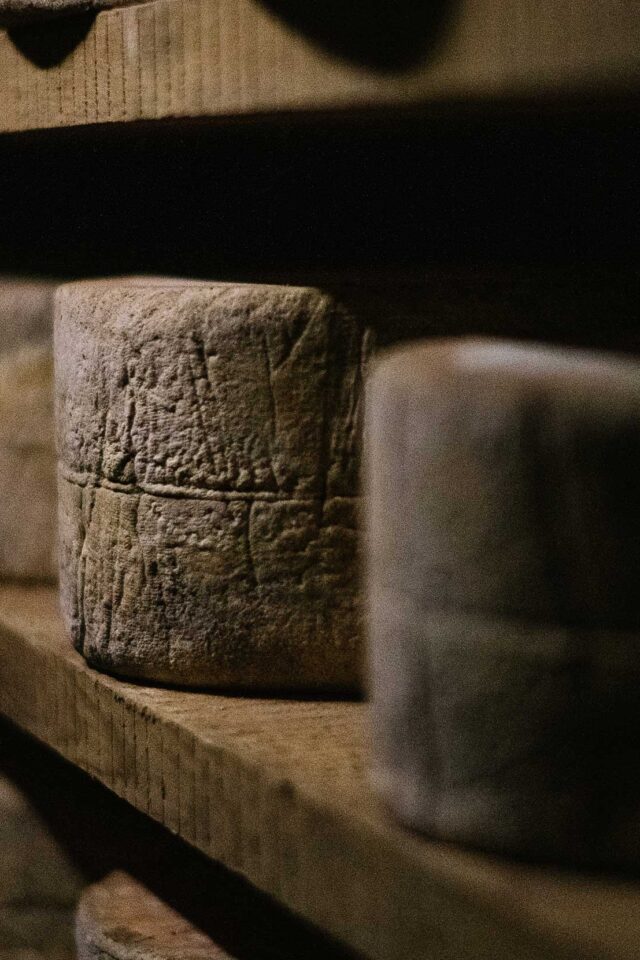
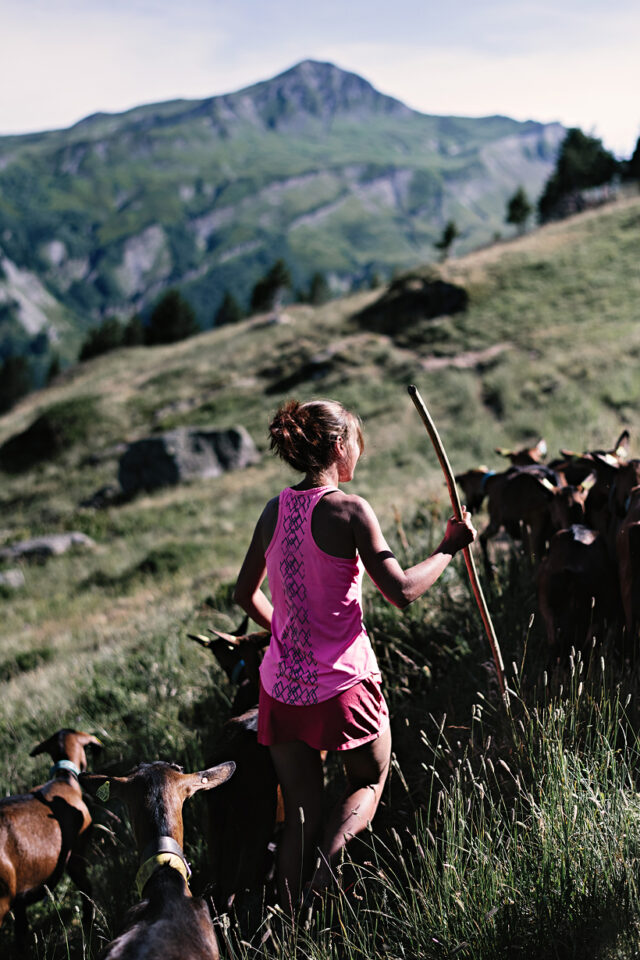
Strong and pure soul of Beaufortain, head of a company living with nature and its seasons. Either in the ripening cellars or on the steep mountain slopes, from where she guides her goats alone to the pastures, Caroline Joguet patiently managed to find a rhythm, a place for her and her billy goats. And if from now on you can find on the stalls, alongside the well-known Beaufort, her cheese tommes and gratarons, you find above all her Plancherin.
A cheese simply unique in the world. Conceived with the only savoir-faire of Caroline. Four years to conceive it, to perfect it and to give it a taste of remarkable singularity. A long-term work that, contrary to the so-called “lactic” cheeses where the cheesemaker can taste the work of his animals after 2 days, requires to wait 4 to 5 weeks before savouring the cheeses and giving an opinion. Hundreds of tests later: the Plancherin of Arêches. A true treasure from mastery that cannot be copied or stolen.
“Every move counts! Just to get the right soft texture you want, you will need a lot of patience and persistence. Being a breeder and a cheesemaker is about mastering a whole cycle. There are lots of details, variables to take into consideration. From the breed of the goats to their diets, their well-being, my mood, in the end everything is reflected in the cheese.”
Woody flavour reminiscent of caramelised notes on the palate, Caroline uses spruce straps to wrap and hold the cheese during the curdling. The log will gradually impregnate the cheese thus giving it some woody aromas and flavours. The spruce straps are crafted by a woodcutter working in the Col du Pré, near the lake and dam of Roseland, Beaufort lands. Through her Savoyard terroir, her hands and energy – always positive – shared with her goats, Caroline has given birth to a new element, making the culinary heritage of the Savoies shine a little more brightly. The Plancherin is a nod to the already existing Vacherin, the word “planche” at the beginning is a reference to the board on which the cheese is presented.
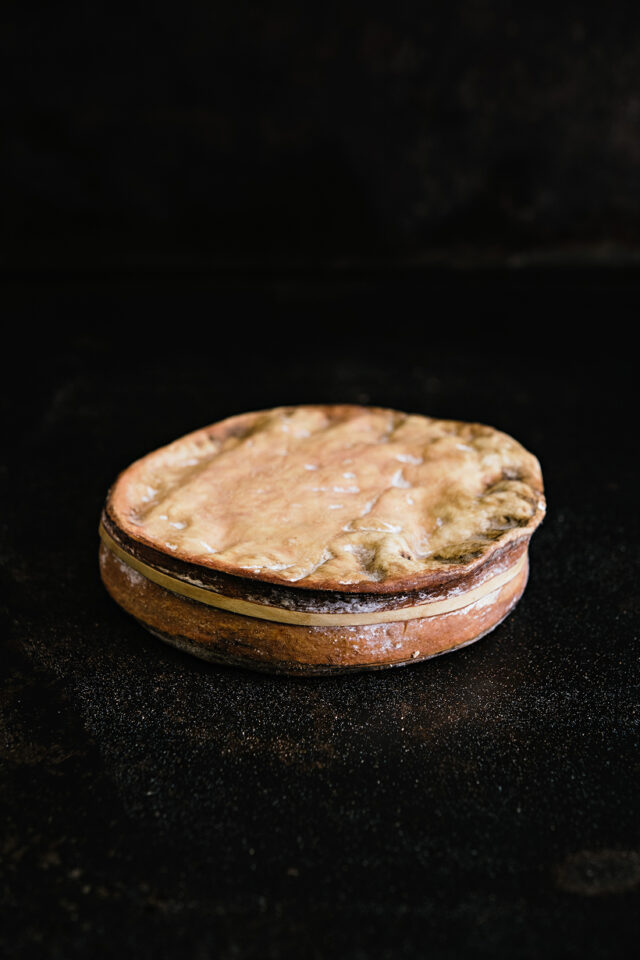
Le Plancherin d’Arêches
Place of production
Arêches-Beaufort
Texture
Creamy
Raw milk from
Goat
Aroma
Woody

Thanks to the mountain sides that she knows by heart, her goats that she loves to cherish daily, her family that she is so grateful for, Caroline lives peacefully, surrounded by her own; admiring her fellow producers, observing through the valley the rough-and-tumble of the world.“It never comes to our mind that those who produce Reblochon are great cheesemakers. It requires incredible precision and concentration at every step in order not to fail. The Reblochon is a lucky cheese because it is popular, the Chevrotin is a little less so, yet both are made by talented cheesemakers because the savoir-faire and the taste are so unique. Unfortunately, the industrialisation and the race for quantity diminish all this.”
Just like Jean Sulpice, Caroline Joguet prioritises the respect of her terroir. Essential values to honor nature. Not expand, remain a production that will continue to create, to magnify. And through excellence, inspire, nourish the generations, and keep the knowledge of taste alive. “Many people think that the taste of a cheese is always the same. It is important to know that the cheese is the end of a journey. It evolves, varies, differs from one season to another. For example, a raw milk cheese being more runny in springtime is normal, because nitrogen is found in the fresh grass that the cows eat. With machines, the taste of a cheese can be constant nowadays, but the natural bond is lost.”
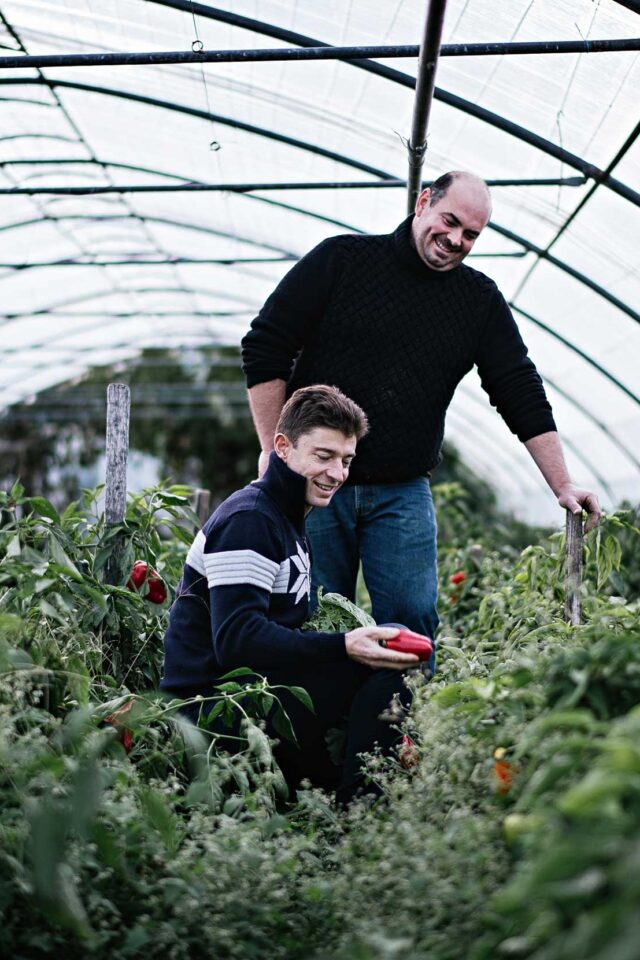
The desire to be authentic, the wish to consume local. To be aware of the resources of her land, to exploit it with respect, to follow the rules of nature, this is the common point that binds the farmer to the chef, the human being to his land.
What deeply connects Caroline Joguet and Jean Sulpice goes beyond the simple product. In their approach, there is a shared quiet exactingness, a shared commitment to the rhythm of the seasons, a shared faith in what the land can offer when it is treated with respect.
In the chef’s kitchen, a cheese like Plancherin doesn’t simply complement a dish. It becomes its focal point. Its texture, its aromatic tension, that almost forest-like vibration emanating from the spruce tree invites a precise composition. Balance is found in nuance, in the dialogue with an alpine vegetable, an herb, a touch of bitterness. The dish takes shape like a landscape: with contours, breaths, and depth. This direct connection with producers nourishes an exceptional gastronomic cuisine that doesn’t seek to smooth out flavor. On the contrary, it embraces the variations, the differences between a spring milk and a summer aging process. Each course becomes a faithful interpretation of the moment.
Between the Beaufortain region and the shores of Lake Annecy, a continuity is established. The terroir is not merely an argument; it is a living, embodied presence that cuisine reveals with precision and sensitivity.
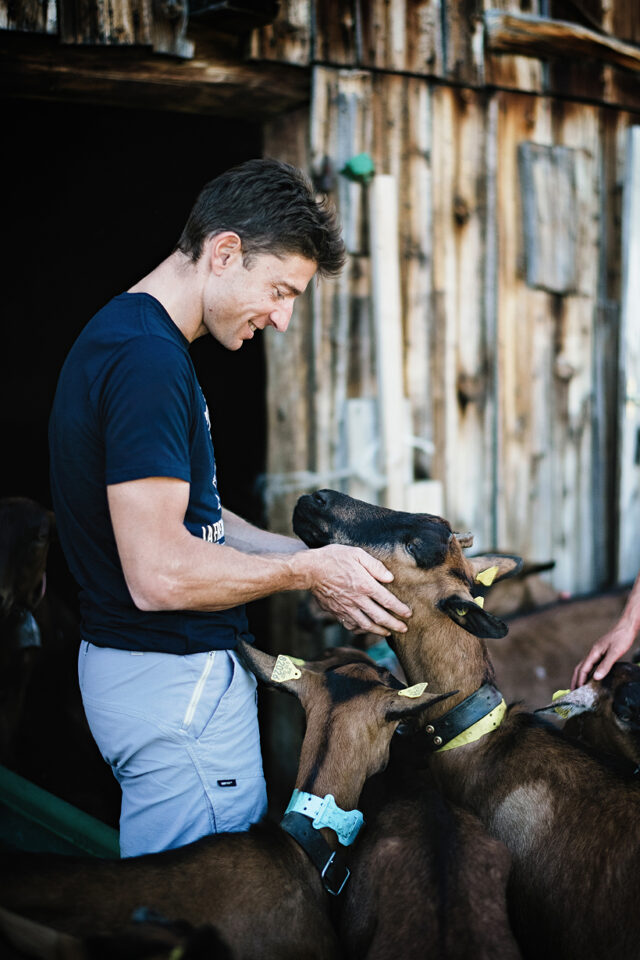
By Jean Sulpice
Chef, two Michelin stars
Updated on 16/03/2026